

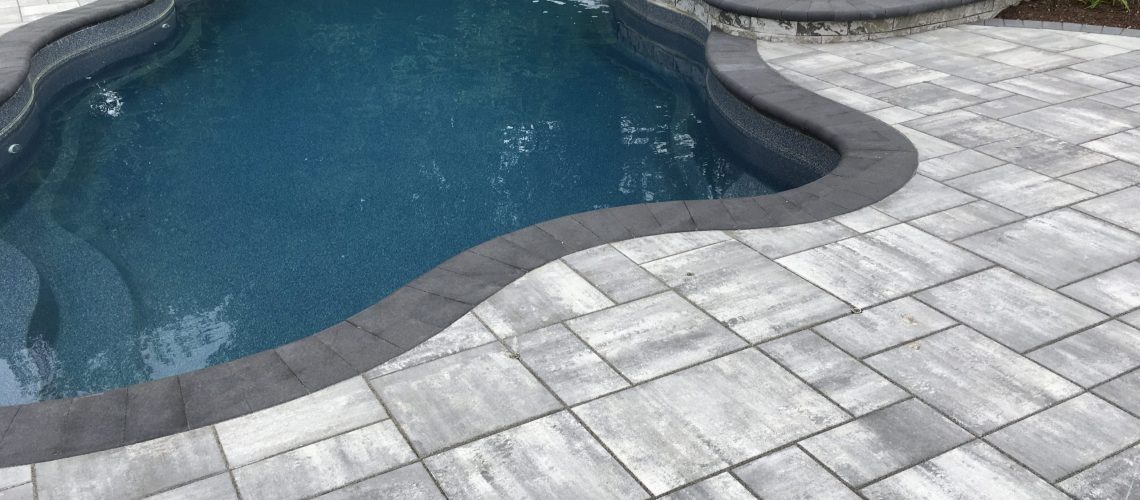

When Rhode Island homeowners invest $60,000 to $80,000 in an inground pool, longevity naturally becomes a primary concern. The question of whether fiberglass pools can match or exceed the lifespan of traditional gunite construction comes up in nearly every consultation. Understanding how these two pool types age differently in Rhode Island’s challenging climate reveals that the durability comparison isn’t as straightforward as many homeowners assume, and in several critical areas, fiberglass pools actually outlast their gunite counterparts.
The Surface Story: Gel-Coat vs Plaster
The most fundamental difference between fiberglass and gunite pools lies in their surface construction. Gunite pools feature plaster applied over the concrete shell, creating a separate finish layer that bonds to but remains distinct from the structural shell beneath. This plaster surface is porous, absorbing water and chemicals throughout its life. Over time, the plaster deteriorates from chemical exposure, becomes rough and stained, and eventually requires complete removal and replacement.
Fiberglass pools have gel-coat surfaces that are integral to the shell itself rather than an applied finish. The gel-coat is essentially the outer layer of the composite structure, meaning it cannot separate, delaminate, or peel away from the pool shell. This fundamental construction difference means that while plaster surfaces need replacement every ten to twelve years, gel-coat surfaces can last thirty years or more before showing significant wear that might warrant refinishing.
The non-porous nature of gel-coat provides additional longevity advantages. Because the surface doesn’t absorb water or chemicals, it resists staining and deterioration that plagues aging plaster. Fiberglass pools that are twenty or twenty-five years old often still have smooth, attractive surfaces, while gunite pools of the same age are typically on their second or third plaster application.
Structural Flexibility in Freeze-Thaw Cycles
Rhode Island’s winter conditions create unique stresses that test pool longevity. Our freeze-thaw cycles cause ground movement that rigid concrete structures must resist, while moisture in soil expands and contracts with temperature changes. Gunite pools are essentially large concrete boxes buried in unstable ground, and concrete’s inherent rigidity means it cracks when subjected to movement it cannot accommodate.
Fiberglass pools possess a degree of structural flexibility that allows them to move slightly with ground shifts rather than cracking. The composite construction combining fiberglass strands with resin creates a structure that can flex and return to its original shape, much like a canoe or boat hull. This flexibility proves particularly valuable in Rhode Island where clay soils expand significantly when wet and contract when dry, creating ongoing ground movement that concrete simply cannot tolerate long-term.
Cracks in gunite pools aren’t just cosmetic issues. They allow water to escape into surrounding soil, create ongoing repair needs, and often telegraph through new plaster applications. Repairing structural cracks in gunite requires extensive work including cutting out damaged sections, patching with new gunite, and refinishing. These repairs rarely match perfectly with existing surfaces and may create weak points that crack again in future freeze-thaw cycles.
Manufacturing Quality vs Field Construction
Fiberglass pool shells are manufactured in climate-controlled facilities with consistent processes, quality control measures, and proper curing conditions. Each shell undergoes inspection before leaving the factory, ensuring the structure meets specifications and contains no defects. This controlled manufacturing environment produces consistent quality that field construction simply cannot match.
Gunite pools are built on-site, exposing construction to weather variables, temperature extremes, and human factors that impact final quality. Rhode Island’s construction season means gunite work often happens during hot summer months when rapid drying can compromise concrete strength. Rain during or shortly after gunite application, temperature swings during curing, and variations in crew technique all influence the final product’s quality and longevity.
The one-piece construction of fiberglass pools eliminates the joints, seams, and connections where gunite pools commonly develop leaks over time. Main drains, return lines, and skimmers in gunite pools create numerous penetrations through the concrete shell that must be sealed perfectly and maintained over decades. Each penetration represents a potential failure point. Fiberglass pools have these same fixtures, but they’re installed during manufacturing and integrated into the shell under controlled conditions.
Realistic Lifespan Expectations
Well-constructed gunite pools can certainly last thirty to fifty years or more, but this longevity comes with the understanding that major maintenance occurs regularly throughout that lifespan. The pool shell might last five decades, but you’ll replaster it four or five times, repair cracks multiple times, and potentially address leaks from failed penetrations. The structure endures, but the pool requires continuous significant investment to remain functional and attractive.
Fiberglass pools with proper care routinely exceed thirty years with minimal major maintenance. The gel-coat surface may show some fading after twenty-five or thirty years and could benefit from professional refinishing, but this represents the first major service item rather than the third or fourth replastering of a comparable gunite pool. The structural shell itself, being non-corrosive and flexible, shows virtually no degradation even after decades of use.
Care Requirements for Maximum Longevity
Both pool types require proper winter closing, appropriate chemical balance, and routine maintenance to achieve maximum lifespan. However, fiberglass pools prove more forgiving of minor maintenance lapses. The non-porous surface resists algae growth and staining that can permanently damage plaster. Chemical imbalances that might etch or stain gunite plaster typically cause no lasting damage to gel-coat surfaces.
Proper water chemistry remains important for equipment longevity and swimmer comfort, but fiberglass pools don’t suffer the surface damage that harsh water causes in gunite pools. This resilience means small maintenance mistakes don’t accumulate into major surface deterioration requiring expensive corrections.
If you’re weighing longevity concerns as part of your pool decision, contact the team at Avalon Design Group to discuss how fiberglass pools perform specifically in Rhode Island’s climate. Our experience installing and servicing pools throughout the state provides real-world insight into how these systems age in our challenging conditions, helping you make decisions based on actual performance rather than assumptions about construction methods.